
Vietnam exports is becoming a highly searched keyword among global buyers. The strong growth of Vietnam’s exports market makes the country a preferred sourcing destination for many international companies. Vietnam offers diverse product categories, competitive pricing, and increasingly higher quality across industries. These advantages create a powerful attraction for global importers.
This article explains the rise of Vietnam export, the key industries international buyers should consider, and why Vietnam has become a trusted sourcing destination. If you are exploring opportunities or looking for a reliable export brokerage service in Vietnam, this guide will provide clear and practical insights.
1. Growth of Vietnam Exports in the Global Market
The growth of Vietnam export is not a temporary trend. It is the result of strategic developments in production, labor, and global trade integration.
1.1. Expansion of Global Supply Chains
Many companies have shifted manufacturing operations to Vietnam to reduce production costs. Vietnam’s geographic location supports convenient access to major shipping routes, which helps global buyers improve logistics efficiency.
1.2. Strong Trade Agreements
Vietnam is part of major trade agreements such as CPTPP, EVFTA, and RCEP. These agreements reduce tariffs and improve market access, which accelerates Vietnam export across many industries.
1.3. Skilled and Youthful Workforce
Vietnam has a young and skilled labor force. Factory workers adapt quickly to new technologies, which helps maintain strong production capacity and consistent product quality.
1.4. Competitive Production Costs
Compared to other Asian countries, Vietnam offers lower production costs. This allows global buyers to source quality products at affordable prices, enhancing profitability.
2. Best Industries to Source From Vietnam Exports
Below are the top industries that dominate Vietnam export and attract global sourcing demand.
2.1. Agriculture and Food Products
Agriculture remains one of Vietnam’s strongest export pillars.
2.1.1. Coffee, Cashew, and Pepper
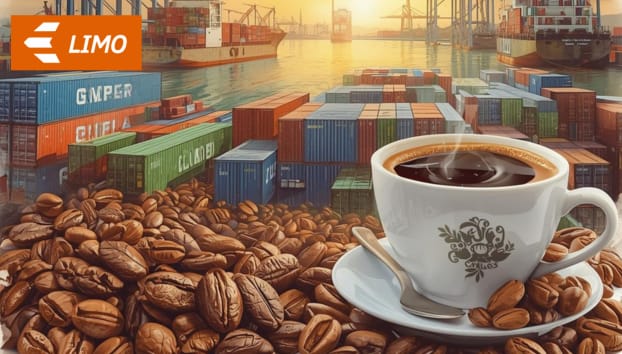
Vietnam is the world’s second-largest coffee exporter. The country also leads global markets in cashew and pepper exports. International buyers prefer these products due to high quality and competitive prices.
2.1.2. Tropical Fruits and Vegetables
Vietnam supplies durian, mango, dragon fruit, and bananas to many countries. Modern processing and improved packaging help maintain freshness and expand access to strict markets like the EU and Japan.
2.2. Seafood and Fishery Products
Vietnam’s seafood industry plays a major role in the Vietnam export ecosystem.
2.2.1. Shrimp and Pangasius Fish
Vietnam is among the top exporters of shrimp worldwide. Pangasius fish (basa fish) is highly popular in the U.S. and EU due to stable supply and low cost.
2.2.2. Frozen and Value-Added Seafood
Many Vietnamese seafood processors hold international certifications such as HACCP and BRC. This allows buyers to import seafood with confidence in quality and safety.
2.3. Textile and Garment Products
The textile industry is a long-standing strength of Vietnam export.
2.3.1. Fashion and Sportswear
Many global fashion brands produce in Vietnam due to stable workmanship and reliable delivery times.
2.3.2. Technical and Functional Fabrics
Vietnamese manufacturers increasingly produce specialized clothing such as water-resistant wear, fire-resistant clothing, and technical sportswear.
2.4. Electronics and Components
Electronics is one of Vietnam’s fastest-growing export sectors.
2.4.1. Electronic Components
Global corporations like Samsung, LG, and Foxconn operate large factories in Vietnam. This boosts the export volume of electronic components worldwide.
2.4.2. Consumer Electronics
Small home appliances, fans, kitchen devices, and smart gadgets are popular Vietnam export categories for global buyers.
2.5. Furniture and Home Decor
Vietnam is well-known for producing durable and stylish furniture.
2.5.1. Wooden Furniture
Vietnam is one of the top wooden furniture exporters globally. Buyers from the U.S. and Europe favor Vietnamese furniture for its craftsmanship and stability.
2.5.2. Home Decor and Handicrafts
Products such as ceramics, bamboo decor, and woven baskets are widely sourced due to their unique design and competitive pricing.
3. Why International Buyers Choose Vietnam Exports
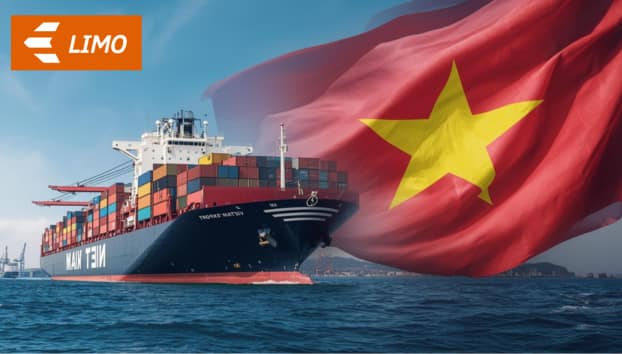
Many international buyers rely on Vietnam exports for several key reasons.
3.1. Wide Product Diversity
Vietnam offers thousands of export-ready products across multiple industries, making sourcing easier for global importers.
3.2. Consistent Product Quality
Manufacturers increasingly adopt international quality standards. This builds trust and supports long-term business relationships.
3.3. Streamlined Exports Procedures
Export processes in Vietnam are improving each year. Fast shipping times, clear documentation, and simplified customs help reduce delays and cost.
4. How Export Brokerage Services Support Global Buyers
Many foreign buyers face challenges when sourcing from Vietnam. A professional export brokerage service helps solve these issues.
4.1. Difficulty Finding Reliable Suppliers
Export brokers connect buyers with verified manufacturers that meet quality expectations.
4.2. Limited Knowledge of the Export Process
A brokerage service guides buyers through paperwork, compliance, and logistics.
4.3. Concerns About Transaction Risks
Brokers help inspect goods, monitor production, and manage quality control to ensure safe and transparent transactions.
5. FAQs About Vietnam Export
5.1. Is Vietnam export stable?
Yes. Vietnam’s export sector has shown continuous growth for many years.
5.2. What are the strongest Vietnam exports industries?
Agriculture, seafood, textiles, electronics, and furniture are the top sectors.
5.3. Can I place small-quantity orders?
Yes. Many suppliers support small or mixed orders.
5.4. How long does shipping take?
Shipping times vary by industry and destination, usually between 5 and 25 days.
5.5. Do I need an exports brokerage service?
Yes, especially if you are sourcing from Vietnam for the first time. It reduces risks and saves time.
6. Conclusion
Vietnam export continues to expand rapidly, creating strong opportunities for international buyers. With competitive pricing, quality improvements, and diverse product categories, Vietnam has become one of the most attractive sourcing markets in Asia. If you plan to import from Vietnam, choosing the right industry and the right supplier is essential.
If you want to source high-quality products from Vietnam and connect with trusted manufacturers, use LimoGroup’s professional exports brokerage service. We help you find suppliers, negotiate pricing, manage production, and ensure safe international transactions.
Contact:
Mr. Dat – Hotline: 0973 864 960
Fanpgae: Limo Group

Pingback: Why Vietnam Export a Lot of Rice and Leads the Global Rice Market
Pingback: Vietnam Rice Export Trends 2025: Opportunities for Global Buyers - Limo Group
Pingback: Import Export Vietnam: Key Products, Markets, and Opportunities in 2025 - Limo Group
Pingback: Vietnam Coffee Export Market: Opportunities and Trends You Should Know
Pingback: Vietnam Imports and Exports Overview: What Global Buyers Need to Know
Pingback: Vietnam Export Portal for Businesses: Connect With International Markets Easily - Limo Group
Pingback: Vietnam Import Export Data 2025: Latest Trends, Statistics, and Insights - Limo Group
Pingback: Vietnam Exports to Australia: Key Products, Market Trends, and Opportunities in 2025 - Limo Group
Pingback: Vietnam Imports and Exports 2025: Key Trends Shaping Global Trade - Limo Group
Pingback: Vietnam Imports and Exports 2026: Key Trends and Market Outlook - Limo Group
Pingback: Why You Should Export to Vietnam: Opportunities and Growth Potential - Limo Group
Pingback: Vietnam Export Statistics 2025: Key Insights and Market Trends - Limo Group
Pingback: Vietnam Exports to US: Top Industries Dominating the American Market - Limo Group