
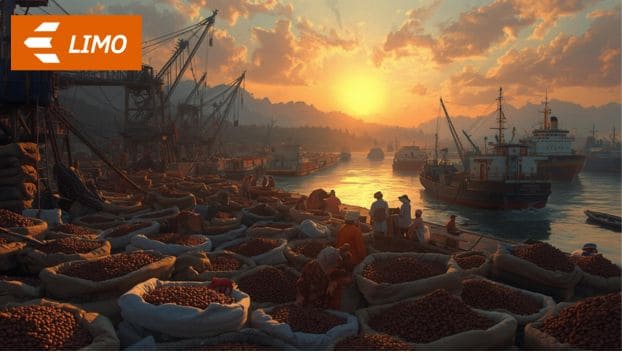
Vietnam holds a strong position in the global coffee market. The country exports millions of tons of coffee every year. Many importers trust Vietnam because of its stable supply and competitive prices. For businesses and brokers, the Vietnamese coffee export industry offers great opportunities. Understanding current trends will help companies make better decisions. This article will guide you through the market landscape, growth potential, challenges and future expectations.
1. Overview of Vietnam’s coffee export market
Vietnam coffee export industry is among the largest in the world. Vietnam is the leading supplier of Robusta coffee. The country also grows Arabica coffee in certain regions. Coffee contributes billions of dollars to the country’s GDP. Exporters supply beans to more than 80 countries.
1.1 Vietnam’s position in global coffee trade
Vietnam has consistently been the world’s second-largest coffee exporter. Robusta beans account for the majority of production. Global demand for Robusta coffee continues to grow. Many buyers prefer Vietnamese coffee beans because of their consistent quality. Competitive prices also attract global roasters.
1.2 Main coffee producing regions in Vietnam
Some regions lead in national output.
-
Central Highlands
-
Dak Lak
-
Lam Dong
-
Gia Lai
-
Kon Tum
Each region produces coffee beans with different flavors. Climate and soil conditions determine the final flavor. These factors contribute to affirming the unique identity of Vietnamese coffee exports .
1.3 Main coffee export products
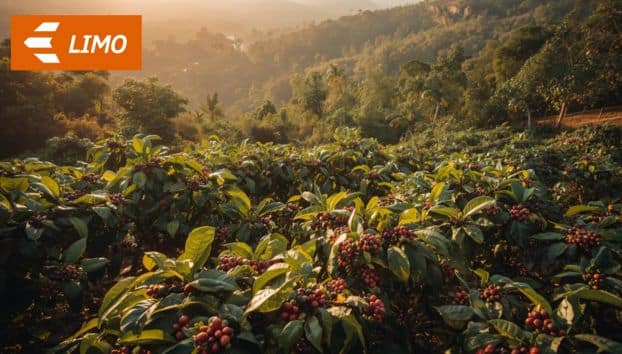
Vietnam exports green coffee beans, roasted and ground coffee, instant coffee and processed coffee products. Green coffee beans still dominate the market. However, value-added coffee products are growing rapidly. Many brands are investing in modern roasting and packaging technology. This shift supports brand recognition and increases export value.
2. Opportunities in Vietnam’s coffee export industry
The Vietnamese coffee export market offers many opportunities for brokers and sellers. Global consumption continues to increase. New trade agreements provide easier access to major markets.
2.1 Global demand for Robusta coffee is increasing
Demand for Robusta coffee grows every year. Roasters use Robusta for instant coffee and espresso blends. Vietnamese Robusta beans meet these needs well. Their rich flavor and consistent quality make them an ideal choice. As demand increases, exporters can expand into new markets.
2.2 Advantages in price and production scale
Vietnam benefits from large-scale farming and efficient production. These factors help keep costs down. As a result, exporters can offer competitive prices. Many importers see Vietnam as a reliable long-term supplier. This price advantage supports continued growth in the global market.
2.3 Government Support and Trade Agreements
Vietnam is a party to several free trade agreements (FTAs). These agreements help reduce tariffs and improve market access. Major agreements include the EVFTA, CPTPP, and RCEP. Exporters enjoy lower tariffs and smoother customs procedures. This support helps increase the country’s export volume.
2.4 Growth in the high-quality and specialty coffee segment
Vietnamese specialty coffee is gaining recognition. Regions like Lam Dong produce high-quality Arabica. Many farms adopt international standards like UTZ, Rainforest Alliance and organic certification. These certifications attract high-end buyers. Exporters can earn higher profits by improving quality.
3. Trends shaping the future of Vietnamese coffee exports
The coffee market fluctuates year after year. Exporters and brokers need to keep up with key trends that influence buyer preferences and export volumes.
3.1 Demand for Sustainable and Traceable Coffee
Sustainability becomes essential for global buyers. Importers want transparent supply chains. They require data on farming methods and environmental impact. Vietnam invests in traceability systems. Many farms adopt digital tracking and eco-friendly practices. These changes help exporters meet strict global standards.
3.2 Growth of Instant and Processed Coffee Products
Instant coffee continues to grow worldwide. Vietnam is a major producer of instant coffee. Brands invest in modern factories. These factories create products with better flavor and aroma. Exporters who shift to value-added processing gain a competitive edge.
3.3 Expanding Markets Beyond Traditional Buyers
Europe and the U.S. are strong markets. But new markets grow fast. These include China, Korea, the Middle East, and Eastern Europe. These regions want stable coffee supply. Vietnam meets this demand well. Exporters can diversify and reduce market risk.
3.4 Digital Transformation in Coffee Trading
More buyers search for suppliers online. Digital platforms support global trade. Exporters use e-commerce and B2B marketplaces. Brokers also use data tools to analyze market needs. Digital transformation strengthens Vietnam coffee export visibility in global markets.
4. Challenges Facing the Vietnam Coffee Export Industry
Despite opportunities, exporters face challenges. Brokers must understand these issues to support clients effectively.
4.1 Climate Change and Production Risks
Unpredictable weather affects coffee yields. Drought, heat waves, and heavy rainfall create risks. These issues may reduce output. Exporters must adapt with modern farming techniques. Improved irrigation and sustainable farming can reduce the impact.
4.2 Competition from Other Coffee-Producing Countries
Brazil remains the biggest competitor. Other nations like Colombia, Indonesia, and Ethiopia also grow strong. Vietnam must differentiate through quality and sustainability. Competitive pricing alone is not enough long term.
4.3 Price Fluctuations in Global Coffee Markets
Global coffee prices change often. Currency fluctuations add complexity. Exporters must learn risk management. Brokers also help clients negotiate better deals. Stable supply chains and long-term contracts reduce risks.
4.4 Quality Control and Standard Requirements
Buyers demand strict quality standards. Exporters must maintain consistent moisture levels, bean sizes, and processing methods. Certifications are increasingly required. Export companies must invest in quality systems. Strong quality control attracts premium buyers.
5. The Role of Export Brokers in Vietnam Coffee Export
Export brokers are key players. They connect buyers and sellers. They help build trust and manage negotiations.
5.1 Helping Buyers Find Reliable Suppliers
Many foreign buyers do not know the local market. Brokers identify verified suppliers. They ensure product quality and negotiate pricing. Their network helps buyers reduce risk.
5.2 Supporting Export Documentation and Compliance
Exporting coffee requires complex documentation. Mistakes delay shipments. Brokers guide exporters through the process. They help with contracts, customs papers, and shipping arrangements.
5.3 Creating Value Through Market Insights
Brokers understand market trends. They provide buyers with real-time data. Their advice helps clients choose the best time to purchase. In the Vietnam coffee export market, timely information is essential.
6. Frequently Asked Questions (FAQ)
6.1 Why is Vietnam a leading coffee exporter?
Vietnam offers stable supply, competitive prices, and large-scale production. These factors place the country among top global exporters.
6.2 Which type of coffee does Vietnam export most?
Robusta is the main export product. It represents the majority of Vietnam’s output.
6.3 What markets import Vietnam coffee the most?
Key markets include Europe, the U.S., Japan, Korea, and China. New markets continue to grow.
6.4 What certifications are important for export coffee?
Key certifications include UTZ, Fairtrade, Organic, and Rainforest Alliance. Buyers prefer certified coffee products.
6.5 How can businesses start exporting coffee from Vietnam?
Businesses should find reliable suppliers or work with a trusted export broker. They should prepare quality control processes and ensure compliance with buyer requirements.
7. Conclusion
The Vietnam coffee export industry continues to grow. Opportunities expand as global demand increases. Challenges exist, but exporters who innovate will succeed. Brokers play an important role in connecting buyers and sellers. With the right strategy, businesses can thrive in this competitive market.
If you need expert assistance in connecting with reputable Vietnamese coffee suppliers, contact LimoGroup’s professional export brokerage service . We help international buyers and brokers find reliable partners and ensure the best sourcing options.
Contact:
Mr. Dat – Hotline: 0973 864 960
Fanpgae : Limo Group

Pingback: Import Export Vietnam: Key Products, Markets, and Opportunities in 2025 - Limo Group