
Vietnam has become one of the world’s most important rice suppliers. Many global buyers search for ” Vietnam rice export ” as demand for stable, high-quality rice continues to rise. Vietnam has built a solid reputation for consistency, competitive prices, and modern farming methods. This article explains why Vietnam is becoming a leading rice exporter and the benefits for importers of working with Vietnamese suppliers. You will also learn about the challenges, opportunities, and how to connect with reputable export brokers in Vietnam.
1. The rise of Vietnam in the global rice market
1.1 The growing reputation of quality rice
Vietnamese rice now meets many international standards. Farmers use improved rice varieties and more advanced production methods. More advanced milling technology helps Vietnamese rice achieve consistent quality. The “Vietnamese rice export” industry focuses on purity, moisture control, and strict quality control. Many buyers trust Vietnamese rice because of its consistent flavor, clean grains, and safe processing systems.
1.2 Competitive pricing strategy
Vietnam offers competitive prices without sacrificing quality. This balance helps it win large contracts from Asia, Africa, and the Middle East. The government supports farmers through training and technology. These efforts help reduce waste and increase productivity. Buyers often choose “Vietnamese rice exporters” because they can guarantee stable volumes at reasonable prices.
1.3 Strong production capacity
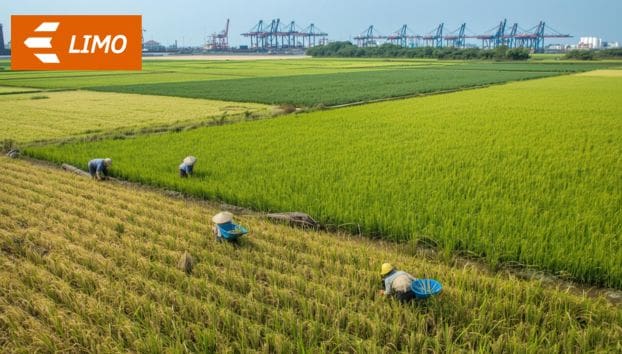
Vietnam produces millions of tons of rice each year. The Mekong Delta plays a key role. The region, with its fertile soil and stable weather, supplies a large portion of Vietnam’s rice exports. Farmers grow multiple rice crops each year, ensuring a steady supply. Many countries rely on Vietnam during shortages because its output remains so abundant.
2. Main advantages of Vietnam’s rice export
2.1 Different types of rice
Vietnam exports many types of rice , including fragrant rice, jasmine fragrant rice, ST rice, long grain white rice and sticky rice. This variety makes it easy for buyers to choose the right product. Many importers prefer ST24 and ST25 rice because of their high nutritional value. Some other buyers choose long grain white rice because of its consistent cooking quality. This variety helps the “Vietnamese rice export” industry develop in more markets.
2.2 Modern processing and packaging
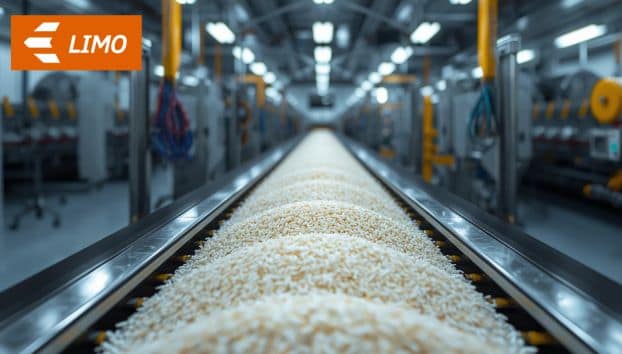
Rice mills in Vietnam use state-of-the-art equipment. Machinery removes impurities and controls moisture. Many are certified to ISO, HACCP, and other standards. Packaging is also important. Vietnam uses sturdy export packaging to protect rice during transportation. This minimizes loss and keeps the product fresh. Buyers trust Vietnamese suppliers because of the transparency and reliability of processing.
2.3 Stable export policy
The government supports the rice industry. Trade regulations are clear and easy to comply with. Vietnam works with international organizations to maintain stable export markets. New policies also encourage sustainable and safe farming. This focus helps Vietnam maintain its position in the global supply chain. Buyers value stability because it helps reduce risk.
3. Why do importers prefer Vietnam as a rice supplier?
3.1 Reliable supply chain
Vietnam has developed a strong logistics network. Ports in Ho Chi Minh City and the Mekong Delta handle large export volumes. Goods are transported quickly through these ports. Many suppliers also use modern tracking systems, allowing buyers to track orders in real time. Reliable supply is the main reason why “Vietnam rice exports” continue to grow.
3.2 Strong support from Government and Industry
Local governments support farmers and exporters. Training programs teach new techniques. Companies work closely with farmers to ensure consistent quality. The government also helps negotiate trade agreements that open doors to new markets. This support creates advantages for both buyers and sellers.
3.3 Sustainability and environmental efforts
Nhiều trang trại hiện nay đang áp dụng các biện pháp canh tác bền vững. Họ giảm thiểu sử dụng hóa chất và áp dụng hệ thống tưới tiêu thông minh. Điều này giúp bảo vệ nguồn đất và nước. Các biện pháp canh tác tốt hơn giúp cải thiện chất lượng gạo. Thế giới coi trọng nguồn thực phẩm bền vững. Việt Nam tiếp tục dẫn đầu những nỗ lực này ở châu Á.
4. Challenges Facing the Vietnam Rice Export Industry
4.1 Climate and Seasonal Challenges
The Mekong Delta faces seasonal floods and droughts. These events affect production. However, advanced irrigation and new rice varieties help reduce problems. The government invests in infrastructure. This support protects farming communities and keeps supply stable.
4.2 Competition with other exporters
Thailand and India also export rice. Each country has its own strengths. Vietnam focuses on improving quality and stabilizing prices. This strategy helps it stand out. Innovation and strict standards help it compete.
4.3 Need to build stronger brands
Vietnamese rice is famous, but its international brand still needs to be improved. Many buyers learn about Vietnamese rice through traders, not through direct marketing campaigns. Vietnam is making efforts to promote premium rice. The ST24 and ST25 varieties contribute to raising brand awareness globally.
5. Opportunities for businesses to cooperate with Vietnam’s rice exports
5.1 Growing demand from new markets
Many countries in the Middle East, Europe and Africa are looking for stable rice suppliers. They need consistent quality and competitive prices. Vietnam can meet these needs. The export market will expand as more countries diversify their food sources.
5.2 Investing in high quality rice varieties
Vietnam continues to develop premium rice varieties that compete with Thailand’s Jasmine rice. Global buyers appreciate the taste and value of the rice. Premium products help Vietnam penetrate high-income markets.
5.3 Opportunity to sign long-term contracts
Buyers looking for long-term volume benefit from Vietnam. Exporters can provide steady supplies year-round. Many companies offer contract farming. This gives buyers the assurance of predictable shipments. “Vietnam rice exporters” use this model to build trust with their partners.
6. How to work with reliable Vietnamese rice export suppliers
6.1 Verification of certification and quality standards
Always check for certifications. These include ISO, HACCP, and food safety documentation. Reliable suppliers provide sample reports. They also allow third-party inspections. The quality should be consistent.
6.2 Compare prices and delivery terms
Request a detailed quote. Compare FOB and CIF terms. Review shipping schedules. Check packaging options. Many suppliers offer custom branding services. Choose the option that best fits your business needs.
6.3 Work with a reliable export broker in Vietnam
Many buyers prefer to work with local export brokers. Brokers help with factory inspections and contract negotiations. They minimize communication risks. A skilled broker also helps avoid scams. This approach saves time and money. If you want a smooth and secure process, Vietnam export brokerage services are very helpful.
7. Frequently asked questions
7.1 Is Vietnam a reliable source of high quality rice?
Yes. Vietnam has a strict quality control system and modern milling system. Many importers buy Vietnamese rice because of its stable quality and safety.
7.2 Which type of rice is most popular?
ST24, ST25, fragrant rice, long grain white rice and sticky rice are the top choices. Each type of rice is suitable for different markets.
7.3 How competitive is Vietnam’s rice export price?
Competitive prices. Vietnam balances quality and affordability, suitable for many regions.
7.4 How can I find a reliable supplier?
It is advisable to work with verified exporters or reputable brokers. A professional brokerage service will help buyers avoid unreliable suppliers.
8. Conclusion
Vietnam has become one of the world’s leading rice exporters thanks to its abundant output, diverse rice varieties, modern processing methods and competitive prices. The ” Vietnam rice export ” industry continues to expand as buyers seek stable and high-quality supplies. With the right partners, global importers can build long-term success by importing rice from Vietnam.
If you are looking for a reliable and secure “Vietnam rice export” supplier, let our team assist you in your sourcing process. Contact LimoGroup’s export brokerage service to connect with reputable Vietnamese rice factories and secure the best deals for your business.
Contact:
Mr. Dat – Hotline: 0973 864 960
Fanpgae : Limo Group
