
Vietnam has become one of Asia’s most dynamic trading hubs. Global buyers look to Vietnam for its strong manufacturing base, stable policies, and rapidly growing export strength. Understanding Vietnam import and export landscape helps companies discover new suppliers, partners, and sourcing opportunities. This article provides an overview of Vietnam’s trade landscape, product strengths, and key import and export insights that every global buyer should know.
1. Understanding Vietnam’s trade landscape
1.1 Vietnam’s position in global trade
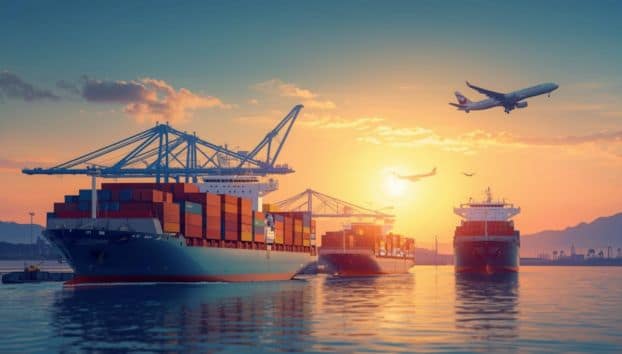
Vietnam has emerged as a strategic trade partner of many major markets. Its economy has grown steadily. The country has invested heavily in logistics and industrial infrastructure. With an abundant workforce and competitive labor costs, Vietnam attracts global manufacturers.
Currently, Vietnam exports goods to more than 200 markets. Vietnam also imports raw materials and machinery to support manufacturing companies. These two directions shape Vietnam’s key import-export structure .
1.2 Why global buyers choose Vietnam
There are many factors that make Vietnam a strong sourcing destination.
-
The government supports export growth.
-
Free trade agreements reduce tariffs.
-
Production quality is improving rapidly.
-
Exporters comply with global standards.
Buyers trust Vietnamese suppliers because of stable production and transparent trading processes. This drives global demand for products made in Vietnam.
2. Key industries in Vietnam’s export market
2.1 Electrical and electronic equipment
Electronics is Vietnam’s main export industry. Global technology brands have set up factories in Vietnam. These companies produce phones, components, computers and many other digital devices. This industry accounts for a large proportion of Vietnam’s import-export turnover , especially high-value items.
2.2 Textiles, apparel and footwear
Vietnam is among the world’s leading textile and garment exporters. The industry benefits from a skilled workforce and strong factory support. Many global fashion brands order clothing, footwear and accessories from Vietnam. Buyers choose Vietnam for its flexible ordering and reliable production times.
2.3 Agricultural and food products
Agriculture is Vietnam’s traditional strength. Vietnam exports large volumes of rice, coffee, pepper, cashew nuts, vegetables, seafood and a variety of processed foods. These products have reached markets such as Europe, the United States, Japan and the Middle East.
The quality standards of exported food continue to improve, helping Vietnam maintain its competitiveness.
2.4 Machinery, tools and metal products
The mechanical engineering industry is growing rapidly. Many factories produce tools, metal parts and machine components. These products support industries such as construction, automotive and electronics. The
diversity of the industry creates new opportunities for global buyers looking for a stable supply chain.
2.5 Furniture and wooden products
Vietnam is a world leader in furniture manufacturing. Factories supply indoor and outdoor furniture, home decor and wooden accessories. Modern designs, eco-friendly materials and competitive prices make Vietnam a top choice for furniture importers.
This segment plays an important role in Vietnam’s import and export .
3. Main trends of Vietnam’s import market
3.1 Raw materials and production inputs
Vietnam imports raw materials for its major manufacturing industries, including textiles, steel, chemicals, plastics and rubber. These raw materials support factories that produce finished products for export.
The import flow ensures steady production for global buyers.
3.2 High-tech machinery and equipment
To boost productivity, Vietnam imports advanced machinery and automation systems. These assets help manufacturers scale up faster and maintain quality.
Advanced technology also helps improve cost efficiency in exporting goods.
3.3 Energy and petroleum products
Vietnam’s growing industrial zones require large energy supplies. Vietnam imports fuel, oil and energy-related products to meet the needs of the industry.
Energy imports help maintain stable operations of factories across the country.
4. Benefits for global buyers when working with Vietnam
4.1 Cost advantages and price stability
Manufacturing costs in Vietnam remain competitive. The labor force is skilled and affordable. Many factories maintain stable prices for long-term customers.
This stability makes Vietnam an attractive destination for global companies.
4.2 Compliance and Quality Standards
Exporters in Vietnam adhere to a number of international certifications, including ISO, HACCP, BRC, FSC and many others.
This commitment to compliance helps to increase confidence in Vietnam’s import and export activities and strengthens the relationship between buyers and suppliers.
4.3 Large production capacity
Vietnam has thousands of factories across a wide range of industries that can handle small, medium and large orders.
The country’s flexibility helps buyers manage seasonal demand and long-term contracts.
4.4 Strategic transportation and logistics routes
Vietnam’s seaports are directly connected to major global markets. Freight is efficient and supported by major carriers.
Shortened delivery times help buyers maintain a stable supply chain.
5. Challenges in Vietnam imports and exports activities
5.1 Quality differences between factories
While many factories produce high quality goods, some smaller suppliers may not meet the same standards.
Buyers should check certifications and verify production capabilities.
5.2 Logistics fluctuations
Container availability and freight rates are subject to change. This can happen during peak seasons or sudden market changes.
Planning ahead will help avoid delays.
5.3 Increasing competition among buyers
Demand for Vietnamese goods continues to grow. Many global buyers are now competing for production sites.
Working with trusted supply partners helps ensure better priorities.
6. Things global buyers need to know before buying from Vietnam
6.1 Understand the industry’s strengths
Buyers should research the major export categories. This will help them choose the right supplier.
Each product sector has different pricing standards and rules.
6.2 Review of Trade Policies and Agreements
Vietnam has several free trade agreements (FTAs). These FTAs offer tariff advantages.
Buyers should check which agreements apply to their market.
6.3 Supplier capacity assessment
A reliable supplier should have clear production capacity. They should share certificates, product samples and detailed information about delivery times.
This helps protect the buyer from unexpected problems.
6.4 Consider working with export brokerage services
Export brokers in Vietnam help international buyers find verified suppliers. They ensure that all processes are compliant with regulations.
This helps reduce risks and saves time for international companies.
7. Frequently Asked Questions (FAQ)
7.1 What are Vietnam’s top export products?
Electronics, textiles, footwear, seafood, furniture and agricultural products are the top items.
7.2 Which countries import the most from Vietnam?
Major markets include the United States, China, Japan, South Korea and the EU.
7.3 Why is Vietnam a strong exporting country?
Vietnam has a skilled workforce, competitive costs, good policies and strong manufacturing capacity.
7.4 What products does Vietnam import the most?
The country imports machinery, raw materials, chemicals, electronic components and fuel.
7.5 How can buyers find reliable Vietnamese suppliers?
Buyers can work with export brokers, trade advisors or verified online platforms.
8. Conclusion
Vietnam continues to expand its role in global trade. The growth of imports and exports provides buyers with a wide range of sourcing options. Understanding Vietnam imports and exports helps companies discover opportunities and build strong partnerships with proven suppliers.
With the right support, global buyers can access high-quality goods and ensure long-term commercial success in Vietnam.
If you want to find reputable Vietnamese suppliers and explore real opportunities in the field of import and export in Vietnam , let our professional export brokerage team support you. Contact us today for reliable, fast and effective support from LimoGroup’s export brokerage service .
Contact:
Mr. Dat – Hotline: 0973 864 960
Fanpgae : Limo Group

Pingback: Vietnam Coffee Export Market: Opportunities and Trends You Should Know