
Vietnam has become one of the most dynamic trading nations in Asia. Global buyers look toward Vietnam for competitive products, strong supply chains, and fast-growing export capabilities. The term “import export Vietnam” appears more often in trade research because international businesses want reliable partners in the region. In 2025, Vietnam continues to rise as a top sourcing destination. Companies worldwide now explore new opportunities to cooperate with Vietnamese suppliers, manufacturers, and export brokers. This article explains the key products, major markets, and future opportunities in the import export Vietnam industry.
1. Understanding the Import Export Vietnam Landscape
The import export sector is a core part of Vietnam’s economic development. The country connects global buyers with strong manufacturing hubs. In this section, we explore how Vietnam’s trade system works and why foreign companies trust Vietnamese partners.
1.1 Vietnam’s Position in Global Trade
Vietnam has maintained stable trade growth for more than a decade. Its free trade agreements and business-friendly policies help foreign companies access the market with ease. Many investors search for import export Vietnam partners because the country offers cost-effective production, strategic logistics, and skilled labor.
1.2 Growth Drivers in 2025
Several factors support Vietnam’s trade development in 2025:
-
Strong manufacturing expansion
-
New shipping routes
-
Improved customs processes
-
Growing digital trade platforms
-
Increasing demand from Europe, Asia, and the U.S.
These elements create a favorable environment for businesses involved in import export Vietnam activities.
1.3 Why International Buyers Prefer Vietnam
Foreign companies choose Vietnam for many reasons. The country provides stable supply chains, lower production costs, and consistent product quality. Vietnam is also known for transparent documentation and reliable export standards.
2. Key Export Products in Vietnam
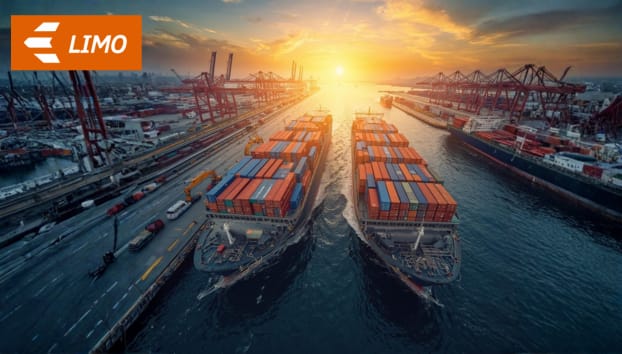
Vietnam’s export portfolio is diverse. Buyers around the world search for a wide range of goods from the country. Below are the most in-demand product categories in the import export Vietnam market.
2.1 Agricultural Products
Agriculture remains one of Vietnam’s strongest export sectors. Popular products include:
-
Coffee
-
Pepper
-
Cashew nuts
-
Rice
-
Seafood
-
Fruits like dragon fruit, mango, and durian
These items give Vietnam a competitive edge in Asian and Western markets. Many importers search for import export Vietnam suppliers for agricultural goods due to stable supply and competitive pricing.
2.2 Electronics and Technology Products
Electronics now make up a large part of Vietnam’s total exports. Major global companies operate manufacturing plants in Vietnam. Key export items include:
-
Phones and phone parts
-
Computers
-
Semiconductors
-
Electronic components
These products attract buyers from the U.S., Europe, and Asia.
2.3 Textiles and Garments
Vietnam is known for high-quality textiles and clothing. Manufacturing partners in Vietnam provide fast production and strict quality control. Common products include:
-
Apparel
-
Knitwear
-
Footwear
-
Bags
Textiles remain a major focus for businesses exploring import export Vietnam opportunities.
2.4 Furniture and Wood Products
Vietnam ranks among the top furniture exporters worldwide. Its manufacturing sector produces:
-
Wooden furniture
-
Outdoor furniture
-
Interior décor
Many wholesalers source furniture from Vietnam because of craftsmanship and competitive costs.
2.5 Machinery and Mechanical Products
The mechanical engineering sector is expanding. Sheet metal, industrial machinery, and supporting components are gaining strong demand in global markets.
3. Major Import Products in Vietnam
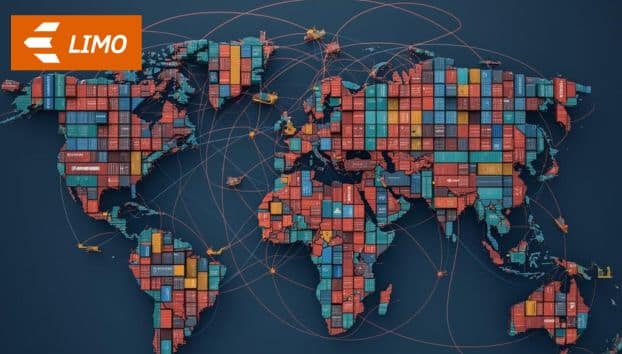
Vietnam also imports many goods to support domestic production and consumer demand. This balance strengthens the import export Vietnam ecosystem.
3.1 Raw Materials for Manufacturing
Manufacturers import materials such as:
-
Fabrics
-
Plastics
-
Steel
-
Electronics components
These imports help factories produce goods for export markets.
3.2 Energy Products
Vietnam imports oil, coal, and LNG to meet industrial and domestic needs.
3.3 Automotive and Machinery Equipment
Machines, engines, and production tools play a major role in boosting industrial development.
4. Top International Markets for Vietnam in 2025
Vietnam exports goods to more than 200 countries. Here are the main destinations.
4.1 United States
The U.S. is Vietnam’s largest export market. High demand exists for electronics, furniture, clothing, and seafood.
4.2 European Union
With the EVFTA agreement, European countries import more Vietnamese products. Key items include agricultural goods, textiles, and footwear.
4.3 China
China remains a major trade partner. The two countries exchange agricultural products, machinery, and materials.
4.4 Japan and South Korea
These markets demand precision goods, electronics, and processed foods from Vietnam.
4.5 Middle East and Africa
Emerging markets in these regions show rising interest in import export Vietnam products, especially food and construction materials.
5. Opportunities for Investors and International Buyers in 2025
Vietnam’s global trade growth opens new opportunities for both investors and buyers.
5.1 Expansion of Digital Trade Platforms
More companies use online B2B platforms to connect with suppliers. This trend supports new buyers who want trusted import export Vietnam partners.
5.2 Growth in Sustainable and Eco-Friendly Products
Global demand for green products is rising. Vietnam invests in sustainable agriculture, recycled materials, and eco-friendly manufacturing.
5.3 Strong Development in Logistics
Vietnam upgrades ports, highways, and shipping facilities. These improvements help reduce delivery times and costs.
5.4 High Potential for Niche Product Markets
Products like organic foods, handicrafts, smart home devices, and high-tech components continue to grow in popularity.
5.5 Increasing Demand for Export Brokerage Services
Foreign buyers often need support to find reliable suppliers. Export brokerage is now a key service. Websites like nghexuatkhau.vn and groups like LimoGroup help international buyers connect with legitimate exporters.
6. Challenges in the Import Export Vietnam Industry
Despite strong growth, the industry still faces challenges.
6.1 Documentation and Compliance
New buyers may struggle with customs documents. Working with an export broker helps reduce risks.
6.2 Quality Control Issues
Some factories lack international certifications. Buyers must verify suppliers before signing long-term contracts.
6.3 Logistics Delays
Peak seasons may cause shipping delays. Reliable logistics planning is essential.
6.4 Market Competition
More countries compete with Vietnam in textiles and electronics. Businesses must focus on innovation.
7. How Export Brokerage Services Help Foreign Buyers
Export brokerage is becoming an essential part of the import export Vietnam ecosystem. Many buyers rely on brokers to reduce risks and find trusted suppliers.
7.1 Supplier Verification
Brokers check the credibility of factories. They ensure suppliers follow international standards.
7.2 Product Sourcing
A broker helps locate the best products at the right price. This saves buyers time and reduces mistakes.
7.3 Negotiation Support
Experienced brokers help negotiate contracts, prices, and shipping terms.
7.4 End-to-End Trade Assistance
Brokers support buyers with documentation, quality checks, and communication until goods are delivered.
8. Frequently Asked Questions (FAQ)
8.1 What does “import export Vietnam” mean?
It refers to all trade activities related to products imported into or exported from Vietnam.
8.2 What products does Vietnam export the most?
Electronics, textiles, furniture, agricultural products, and seafood.
8.3 How do I find reliable suppliers in Vietnam?
You can search through trade directories, B2B platforms, or use a trusted export brokerage service.
8.4 Is Vietnam a good place for sourcing in 2025?
Yes. Vietnam offers stable supply, competitive costs, and fast-growing trade opportunities.
8.5 Do I need an export broker in Vietnam?
An export broker helps reduce risks, verify suppliers, and support communication. It is helpful, especially for first-time buyers.
9. Conclusion
The import export Vietnam market continues to grow rapidly in 2025. Vietnam offers strong product diversity, competitive pricing, and large export capacity. From agriculture to electronics, the country maintains a powerful position in global trade. With expanding markets and improved logistics, foreign buyers have many new opportunities to work with Vietnamese suppliers.
If you want to connect with trusted Vietnamese exporters and grow your global business, contact LimoGroup for professional export brokerage support. Our team helps you find reliable suppliers, negotiate the best deals, and manage the entire sourcing process.
Contact:
Mr. Dat – Hotline: 0973 864 960
Fanpgae: Limo Group

Pingback: Vietnam Rice Export Trends 2025: Opportunities for Global Buyers - Limo Group