
Understanding vietnam import export data is essential for any business involved in global trade. The year 2025 marks an important milestone for Vietnam’s position in international markets. Many companies rely on accurate trade data to make decisions, choose partners, and predict market trends. This article explores the latest insights, key patterns, and emerging opportunities from Vietnam’s trade activities. You will also find practical guidance to help you use this data effectively.
1. Overview of Vietnam’s Trade Landscape in 2025
1.1 Vietnam’s Growing Role in Global Trade
Vietnam continues to strengthen its presence in worldwide supply chains. The country offers competitive labor, stable policies, and expanding trade agreements. These factors attract investors and buyers from many regions.
1.2 Why Vietnam Import Export Data Matters
Businesses use vietnam import export data to identify new suppliers and potential buyers. Analysts rely on these statistics to measure market demand and production shifts. Reliable data also helps companies assess risks, compare prices, and explore long-term opportunities.
1.3 Sources of Trade Data in Vietnam
Vietnam’s official institutions publish monthly and yearly trade reports. Several global platforms also provide customs-level data. These sources give detailed information on product categories, HS codes, shipment values, and trading partners.
2. Key Import Trends in Vietnam (2025)
2.1 Main Categories of Imported Goods
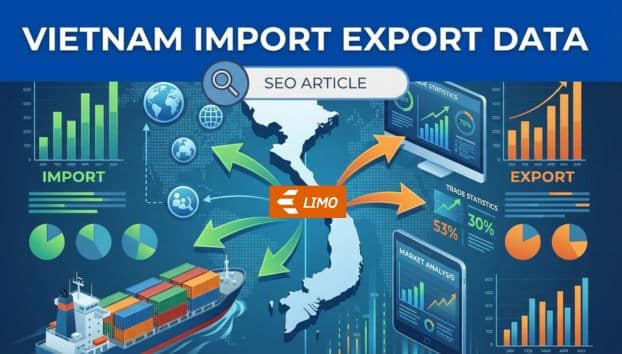
Vietnam imports many types of goods to support its industries. The largest categories include machinery, electronics, chemicals, materials, and consumer products. These imports help factories continue production at a fast pace.
2.2 Top Trading Partners for Imports
China remains the biggest import partner for Vietnam. Korea and Japan also play a major role. The United States and Europe provide advanced technologies and specialized equipment. These partners supply essential materials and high-value components.
2.3 What the Data Reveals About Import Shifts
Based on vietnam import export data, Vietnam’s import structure is changing. Factories now require more advanced components. Businesses look for stable suppliers with consistent quality. This shift increases demand for certified and reliable sources.
3. Key Export Trends in Vietnam (2025)
3.1 Rising Export Sectors
Electronics remain the top export category. Textiles, agriculture, footwear, and furniture also show strong performance. Many factories upgrade technology to increase output and meet global standards.
3.2 Vietnam’s Major Export Destinations
The United States continues to be Vietnam’s largest export market. Europe and ASEAN countries follow. Trade with the Middle East and South Asia grows as companies diversify their markets.
3.3 Changing Export Patterns in 2025
The demand for sustainable products increases. Many buyers request green-certified goods. The shift encourages companies to adopt eco-friendly materials and cleaner production methods. This trend influences the numbers found in vietnam import export data for 2025.
4. Deep Insights From Vietnam Import Export Data (2025)
4.1 Growth Rates and Economic Impact
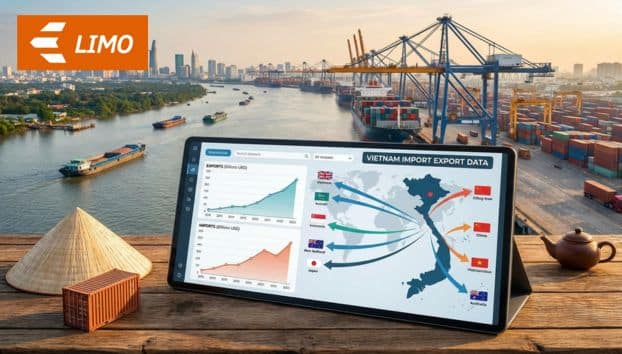
Trade data shows stable growth across many sectors. Export earnings increase due to strong demand. Imports rise because factories expand and upgrade equipment. These movements help Vietnam maintain healthy economic development.
4.2 Sector-Specific Analysis
Agriculture gains value from higher-quality standards. Electronics grow due to foreign investment. Textiles benefit from new trade agreements. Each sector responds differently to global demand, but all continue to push Vietnam upward.
4.3 Price Movements and Market Signals
Fluctuating prices affect raw materials and consumer goods. Companies use vietnam import export data to track these changes. Price shifts create new opportunities for buyers and suppliers who react quickly.
5. How Businesses Can Use Vietnam Import Export Data
5.1 Finding Reliable Suppliers and Buyers
Companies analyze data to identify strong partners. They look at shipment records, production capacity, and long-term patterns. This helps them choose high-quality manufacturers and distributors.
5.2 Competitive Research and Market Positioning
Trade data reveals competitor behavior and market size. Businesses compare product performance and export volume. This helps them build better strategies and improve marketing decisions.
5.3 Forecasting Demand and Planning Inventory
Reliable data supports inventory planning and production schedules. Companies study seasonal trends and buyer behavior. This helps them prepare for demand spikes and reduce risks.
6. Challenges in Using Vietnam Import Export Data
6.1 Data Accuracy and Updates
Some data sources update slowly. Others may lack detailed information. Businesses must cross-check sources to make accurate decisions.
6.2 Complex HS Codes and Product Classification
HS codes can be difficult to interpret. Many products fall into multiple categories. Clear classification is essential for research and compliance.
6.3 Limited Insights Without Expert Analysis
Data alone is not enough. Businesses need interpretation and expert support. A professional broker or analyst helps turn raw numbers into actionable insights.
7. Opportunities in Vietnam’s Import and Export Markets
7.1 Growing Demand for High-Quality Goods
Global buyers want reliable and safe products. Vietnam’s factories upgrade standards to meet these requirements. This creates opportunities for exporters.
7.2 New Markets and Trade Agreements
New agreements reduce tariffs and open markets. Companies can explore Europe, South America, and the Middle East. These regions look for new suppliers.
7.3 Expanding Supply Chain Networks
Manufacturers diversify their partners to avoid disruptions. This supports more trade connections with Vietnam. Vietnam import export data reveals the rising interest in the country’s industries.
8. Frequently Asked Questions (FAQ)
8.1 What is Vietnam import export data?
It is a record of all goods imported or exported by Vietnam. It includes shipment values, quantities, and trading partners.
8.2 Why do businesses need this data?
They use it to research markets, compare prices, and identify opportunities.
8.3 Where can I find reliable data?
You can find it from government reports and global trade databases.
8.4 How often is the data updated?
Most sources update monthly or quarterly.
8.5 Can this data help exporters?
Yes. It helps them understand demand and select the right markets.
9. Conclusion
Vietnam plays a major role in global trade. The latest vietnam import export data shows strong momentum across many sectors. Companies can use this information to plan strategies, choose partners, and expand internationally. As global demand increases, businesses that understand data will gain a clear advantage.
If you want expert support in connecting with global buyers or suppliers, contact our export brokerage service at LimoGroup for reliable guidance and professional solutions.
Contact:
Mr. Dat – Hotline: 0973 864 960
Fanpgae: Limo Group
