
Vietnam is one of the world’s largest rice exporters. Many global rice importers want to understand why Vietnam exports such large volumes of rice each year and how it maintains this strong position. This article explains the reasons behind the success of the Vietnamese rice industry, the strengths of the production system, and what importers can expect when working with Vietnamese suppliers.
1. Understand Vietnam’s position in the global rice market
1.1 Vietnam is a major rice exporter.
Vietnam is among the top rice exporters. The phrase “ Vietnam exports a lot of rice” reflects a long-term trend. Vietnam exports millions of tons of rice to Asia, Africa, Europe and the Middle East. Steady production and a strong supply chain have supported this achievement.
1.2 Why rice plays a central role in Vietnam’s economy
Rice is integral to Vietnam’s agriculture. Millions of farmers grow rice across the Mekong and Red River Deltas. These regions have fertile soil and high yields, helping Vietnam maintain large annual export volumes.
1.3 How does Vietnam compete with other exporting countries?
Countries like Thailand, India and Pakistan also export rice. However, Vietnam has a strong competitive advantage thanks to its consistent quality, flexible pricing and advanced farming methods. This balance reinforces the fact that Vietnam exports a large amount of rice globally.
2. Key factors explaining why Vietnam exports a lot of rice
2.1 Favorable climate and geography
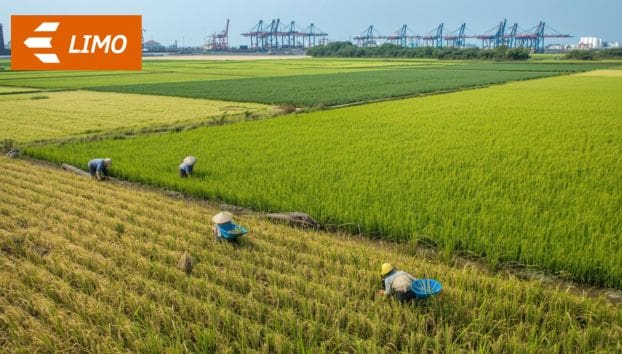
Vietnam’s climate supports rice farming. Rainfall is steady. Rivers provide natural water sources. This reduces production risks. Fertile deltas allow farmers to grow multiple crops each year. These advantages help vietnam export a lot of rice consistently.
2.2 High productivity in the Mekong Delta
The Mekong Delta is Vietnam’s “rice bowl”. It produces more than half of the country’s rice. Farmers in the region apply efficient farming techniques, contributing to high yields and stable supply. Many international customers trust Mekong Delta rice because of its consistent quality.
2.3 Support from the Government of Vietnam
The government promotes rice exports. Policies improve irrigation, varieties, transportation, and farming technology. Export policies aim to support both quantity and quality. These programs contribute to enhancing the international reputation of Vietnamese rice.
2.4 Strong supply chain and logistics
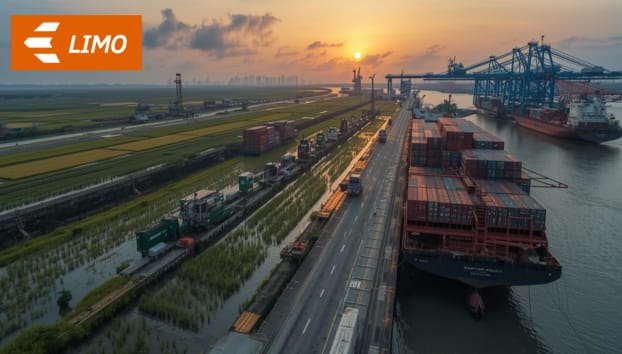
Vietnam has developed modern logistics. Ports in Ho Chi Minh City, Can Tho and Hai Phong support large volumes of shipping. Exporters can move rice quickly. Efficient logistics helps explain why Vietnam exports large quantities of rice to global customers.
2.5 Investing in better rice varieties
Vietnam invests in research. New rice varieties offer better flavor, higher yields, and better resistance to pests and diseases. Many markets favor fragrant rice varieties such as Jasmine and ST25. This development helps Vietnam increase demand worldwide.
3. Export demand and buyer behavior
3.1 Main importing countries
Vietnam exports rice to the Philippines, China, Malaysia, Ghana and the UAE. Each market has different needs. Some markets need cheap rice, others want high-quality fragrant rice. Vietnam can satisfy many market segments.
3.2 Competitive pricing strategy
Vietnam maintains competitive prices. This attracts importers who want both quality and value. Even when global market prices fluctuate, Vietnam maintains a steady supply. This stability supports long-term partnerships.
3.3 Quality standards and certifications
Many Vietnamese rice exporters adhere to international standards. Certifications include HACCP, ISO, and organic labels. Buyers feel secure with these standards. Tight quality control makes Vietnamese rice more reliable than some of its competitors.
4. Opportunities for global importers seeking Vietnamese rice
4.1 Growing demand for premium rice
Premium rice varieties such as ST24 and ST25 are now popular worldwide. This opens up new opportunities for importers. Many brands are promoting Vietnamese fragrant rice thanks to its rich flavor and distinctive aroma.
4.2 Expanding export channels
Exporters today use online platforms, B2B marketplaces and direct trading channels. Global buyers can easily access suppliers. This helps increase the number of transactions. This also shows why Vietnam exports rice in large volumes through diverse trading methods.
4.3 Sustainability and Green Practices
Vietnam is investing in environmentally friendly agriculture. Reducing chemicals and using water more efficiently improves the quality of rice. These methods appeal to modern buyers who prefer sustainable products.
5. Challenges Vietnam faces in maintaining its leading position in rice exports
5.1 Climate change risks
Floods, droughts and rising sea levels are affecting the Mekong Delta. These problems affect crop yields. Vietnam is developing solutions to protect its farming areas.
5.2 Price competition in the global market
Countries like India sell rice at very competitive prices. This puts pressure on Vietnamese exporters. To maintain its position, Vietnam focuses on quality and branding.
5.3 The need to apply higher technology
Some agricultural areas still use traditional tools. More mechanization could improve efficiency. Vietnam continues to push for modernization.
6. Frequently Asked Questions (FAQ)
6.1 Why does Vietnam export so much rice?
Vietnam exports a lot of rice thanks to its strong farming areas, fertile land and efficient export system.
6.2 Is Vietnamese rice of high quality?
Yes. Many varieties like Jasmine and ST25 are famous for their flavor and aroma. Buyers appreciate the quality.
6.3 Which countries buy the most Vietnamese rice?
Philippines, China, Malaysia, Ghana and some Middle Eastern markets are the main buyers.
6.4 Can small businesses import rice from Vietnam?
Yes. Many suppliers support small orders. Agents and brokers can help new buyers get started easily.
7. Conclusion
Vietnam remains the world leader in rice for many reasons. Its climate, fertile deltas, strong logistics systems and improved rice varieties all support Vietnam’s ability to export large volumes of rice each year. Importers trust Vietnam for its stable supply and consistent quality. As global demand for rice increases, Vietnam will continue to expand its role in the world rice market.
If you need assistance connecting with reputable Vietnamese rice exporters , our export brokerage service can support you from start to finish. Contact us today to find the right supplier and start your import journey with confidence.
Contact:
Mr. Dat – Hotline: 0973 864 960
Fanpgae: Limo Group
