
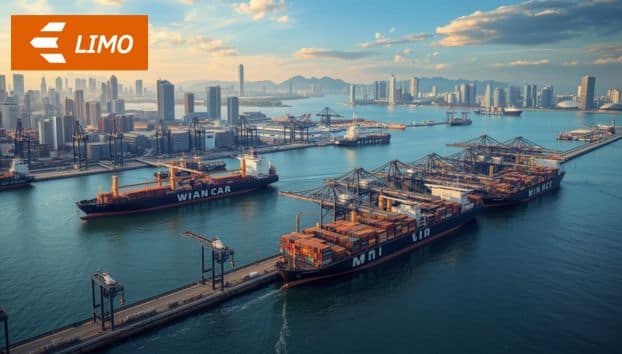
Vietnam has been one of the world’s most dynamic export-driven economies over the past decade. As global supply chains shift, international buyers continue to reassess sourcing locations for stability, cost efficiency, and long-term growth. This creates new momentum for Vietnamese manufacturers and export agencies. With 2026 approaching, many businesses are asking how Vietnam Export 2026 will evolve and which sectors will lead the country’s next export wave.
This article explores the forecasts, opportunities, and key industries expected to shape Vietnam’s export performance in 2026. It also highlights the challenges exporters must navigate to stay competitive. If you work in international trade or plan to source products from Vietnam, this guide will help you understand market signals and prepare for upcoming changes.
1. Vietnam Export 2026: Market Overview
Vietnam’s export sector is projected to maintain strong momentum through 2026. Several global and domestic factors are shaping this shift.
1.1 Macroeconomic Forces Supporting Growth
Vietnam benefits from political stability, trade liberalization, and a young workforce. Free trade agreements such as EVFTA, CPTPP, and RCEP continue to give exporters tariff advantages in major markets. As more multinational companies diversify from China, Vietnam becomes a preferred location for factories and suppliers.
International analysts predict that Vietnam Export 2026 will grow at a steady rate, supported by modern manufacturing, logistics upgrades, and digital transformation.
1.2 Global Demand Trends Shaping 2026
Demand for sustainable, high-quality, and high-tech goods keeps rising. Many buyers seek reliable long-term partners in Asia. Vietnam has already positioned itself as a hub for electronics, garments, and processed foods. In 2026, the country is expected to deepen its role in these sectors while expanding into new advanced industries.
1.3 Challenges Vietnam Must Address
The export sector still faces several issues:
-
Pressure on ports and logistics systems
-
Competition from other emerging economies
-
The need for green manufacturing standards
-
Talent shortages in high-tech industries
Businesses preparing for Vietnam Export 2026 must understand these challenges and build strategies to stay ahead.
2. Key Industries Driving Vietnam Export 2026

The following sectors are expected to dominate Vietnam’s export growth in 2026. Each industry shows strong potential for international buyers and global distributors.
2.1 Electronics and High-Tech Manufacturing
Electronics remains the largest export sector in Vietnam. Companies such as Samsung, LG, and Apple suppliers continue to expand operations. This growth forms the backbone of Vietnam Export 2026.
Why This Sector Will Grow
-
Increased foreign direct investment
-
Advanced supply chain networks
-
Skilled labor trained in modern processes
Electronics exports are expected to include smartphones, chips, sensors, smart home devices, and components for electric vehicles. The government is also supporting semiconductor development, which will play a major role in 2026 and beyond.
2.2 Textiles, Garments, and Footwear
This industry remains essential for Vietnam’s export profile. Although competition from Bangladesh and India is strong, Vietnam retains major advantages in quality, sustainability, and infrastructure.
Key Drivers Leading to 2026
-
Demand for eco-friendly fabrics
-
High compliance with global labor and quality standards
-
Strong footwear manufacturing ecosystem
In Vietnam Export 2026, sustainable fashion and sportswear will be major growth areas.
2.3 Agriculture and Processed Foods
Vietnam is one of the world’s top exporters of coffee, rice, pepper, and cashews. By 2026, processed foods and high-value agricultural products will expand further.
Why Buyers Choose Vietnam
-
Stable supply of tropical and seasonal products
-
Improvements in food processing technology
-
Rising demand for healthy and organic goods
Exports such as canned fruits, spices, seafood snacks, and ready-to-eat meals will play a big part in Vietnam Export 2026.
2.4 Furniture, Wood Products, and Home Decor
Vietnam is the second-largest furniture exporter in Asia. Its craftsmanship, material quality, and production capacity attract global brands.
Growth Signals for 2026
-
Strong demand from the U.S. and EU
-
Expansion of smart furniture products
-
Upgraded wood processing technologies
This sector will continue to be a major revenue contributor to Vietnam Export 2026.
2.5 Machinery, Metal, and Industrial Components
Vietnam’s industrial sector has expanded rapidly thanks to FDI and local factory modernization.
What to Expect in 2026
-
Higher output of metal parts and sheet metal
-
Growth in machinery and spare parts
-
Strengthening of supporting industries
Manufacturers in this field are becoming reliable partners for global supply chains.
2.6 Renewable Energy Equipment
Green energy is a rising export category. Vietnam manufactures solar panels, battery components, and wind power parts.
Drivers of Export Growth
-
International demand for sustainable solutions
-
Government investments in renewable energy
-
Partnerships with global companies
This sector is expected to add significant value to Vietnam Export 2026.
3. Opportunities for International Buyers in Vietnam Export 2026
Foreign companies researching Vietnam sourcing in 2026 will benefit from several factors.
3.1 Competitive Pricing and High Quality
Vietnam offers a balance between affordability and high production standards. Businesses can secure long-term supply while maintaining stable costs.
3.2 Strong Trade Agreements
Access to major markets is easier due to reduced tariffs and transparent regulations.
3.3 Reliable Manufacturing Ecosystem
Vietnam’s supply chains are becoming mature, with strong supporting industries across electronics, garments, metals, packaging, and logistics.
3.4 Growing Emphasis on ESG and Sustainability
Factories are adopting cleaner production practices. This supports buyers who prioritize environmental responsibility.
4. Risks and Challenges in Vietnam Export 2026
No market is without risk. Companies sourcing from Vietnam should understand the following issues.
4.1 Logistics Congestion
Although improvements are ongoing, ports and highways may still face delays during peak seasons.
4.2 Rising Labor Costs
As income levels rise, production costs increase. However, productivity and quality also improve.
4.3 Competition from Neighboring Countries
Indonesia, Thailand, and India are also expanding export capabilities. Vietnam must maintain strong innovation to stay competitive.
4.4 Policy and Compliance Requirements
Global market regulations on safety and sustainability will become stricter by 2026. Exporters must keep up with these standards.
5. Frequently Asked Questions (FAQ)
5.1 What is the main export sector in Vietnam Export 2026?
Electronics remain the top export category, followed by textiles, agriculture, and furniture.
5.2 Why is Vietnam considered a strong export hub?
Vietnam offers competitive costs, strong trade agreements, modern factories, and stable economic conditions.
5.3 Which new industries will grow by 2026?
Semiconductors, renewable energy equipment, and advanced machinery will gain significant traction.
5.4 Is Vietnam a reliable sourcing destination for long-term partnerships?
Yes. The country’s stability, workforce quality, and expanding supply chains make it a dependable option for global buyers.
6. Conclusion
Vietnam’s export sector is entering a new phase of growth. With strong consumer trends, foreign investment, and rapid industrial development, Vietnam Export 2026 will be a significant milestone for the country’s global competitiveness. Businesses that understand emerging industries and market shifts can secure strong partnerships and stable supply sources in Vietnam.
If you want to find reliable suppliers, evaluate manufacturing quality, or connect with trusted exporters in Vietnam, our export brokerage service at LimoGroup.vn is ready to support your sourcing needs.
Contact:
Mr. Dat – Hotline: 0973 864 960
Fanpage: Limogroup
